
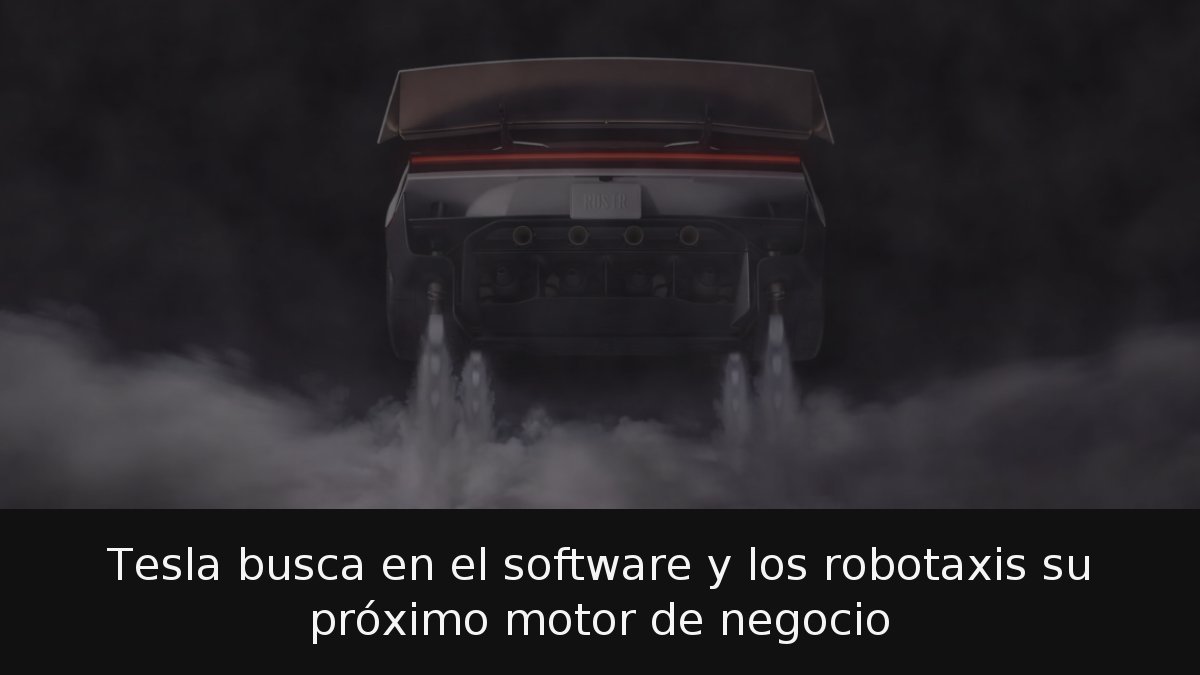
On Oct. 15 in Texas, Tesla showed a new Roadster using SpaceX-built compressed-gas thrusters to leap and flip in midair, a stunt that spread quickly across the globe. Five days later, Elon Musk disclosed that Tesla and SpaceX were studying a combination meant to hasten his autonomous-driving ambitions. The Q3 results explain the urgency. Tesla handed over 486,532 vehicles from July through September, about 2% fewer than a year earlier, while net income attributable to common shareholders dropped roughly 43% to $787 million as robotics and AI spending rose. The battle is not just technical. Automakers confronting stronger Chinese competition are also trying to leave a model built on one-time sales for one that adds recurring software and AI-service revenue.
- Key Point: Software is already helping move metal: more than 1.7 million customers pay for Full Self-Driving (Supervised), and over 75% of North American Q3 deliveries included the subscription.
- Key Point: Profitability is holding even as capital needs grow: automotive gross margin excluding regulatory credits was 18.1%, but the annual investment forecast tops $20 billion.
- Key Point: The company is widening its identity: robotaxi, Optimus humanoids and the Terafab chip plant are intended to make Tesla an AI and software business, not merely a carmaker.
FSD shifts from add-on to purchase driver
Tesla has sold more than 10 million vehicles since its founding, yet only about 1.7 million have paid for FSD. That gap is the opening. In North America, more than 75% of Q3 buyers subscribed, about 20 percentage points above Q2.
“People buy FSD with a car included, not the other way around,”
Musk wrote. CFO Vaibhav Taneja said on the earnings call that customers now arrive asking for an assisted-driving test drive rather than for a Model 3, Model Y or Cybertruck. To broaden exposure, Tesla teamed with peer-to-peer rental platform Turo, which will flag FSD-equipped cars in its catalog and confirm the feature through an API; eligible hosts get a free one-month trial. Model 3 and Model Y are already the third and fourth most-rented models on Turo this year.
“Most travelers have had few chances to experience this technology, but demand is clear,”
said Turo CEO Andre Haddad, who noted that 55% of Americans are interested in driverless driving and that the share reaches 71% among Gen Z.
Robotaxi is the other front. Autonomous miles rose eightfold in the quarter, Austin’s Cybercab fleet expanded tenfold in roughly a month, and service is due in Dallas next month, with hours moving toward 24/7. Management expects a visible revenue contribution in 2027 and calls it “a big business” by Q3 or Q4 of that year. The Cybercab uses 50% fewer parts than any earlier Tesla.
Solid margins meet a large capital bill
Some numbers were strong. Automotive gross margin excluding regulatory credits rose from 16.3% to 18.1%, above the 16.7% analysts expected. Energy storage deployed 13.7 GWh, with Megapack nearly sold out through 2027, and its margin climbed from 20.4% to 33.1%, aided by in-house LFP cells. Services and other reached a record 15.9%. Tesla still aims to build about five million vehicles a year by 2030.
Optimus, Terafab and merger doubts
Musk said early Optimus humanoid production has started in Fremont, California. Analyst Sam Abuelsamid, vice president of market research at Telemetry, is unconvinced: specialized industrial robots handle repetitive assembly-line work faster, more safely, more reliably and more cheaply, and he doubts humanoids will become common household helpers.
The chip plan is just as ambitious. Terafab, a Texas complex Tesla and SpaceX would operate jointly, targets volume production in Q3 2028—a schedule Musk called “very aggressive”—and aims to lessen reliance on TSMC or Samsung. On the merger, Musk said approval would need affirmative votes equal to half of Tesla’s outstanding shares, not half of votes cast; both companies have set up special committees, and no deal has been announced. Abuelsamid sees the transaction mainly as a way for Musk to consolidate control.
The appeal is easy to see: software and recurring services can earn much higher margins than manufacturing, while investors wait to learn whether robotaxi remains a promise. The danger is timing—the capital bill for robots, chips and data centers may arrive before the revenue. If Terafab, Optimus and the autonomous network hit their schedules, Tesla will have changed sectors without ceasing to be a manufacturer. If they miss, the market will have another reason to value it like a traditional automaker.